
Fall and revitalization – Resurrecting old projects and gear.

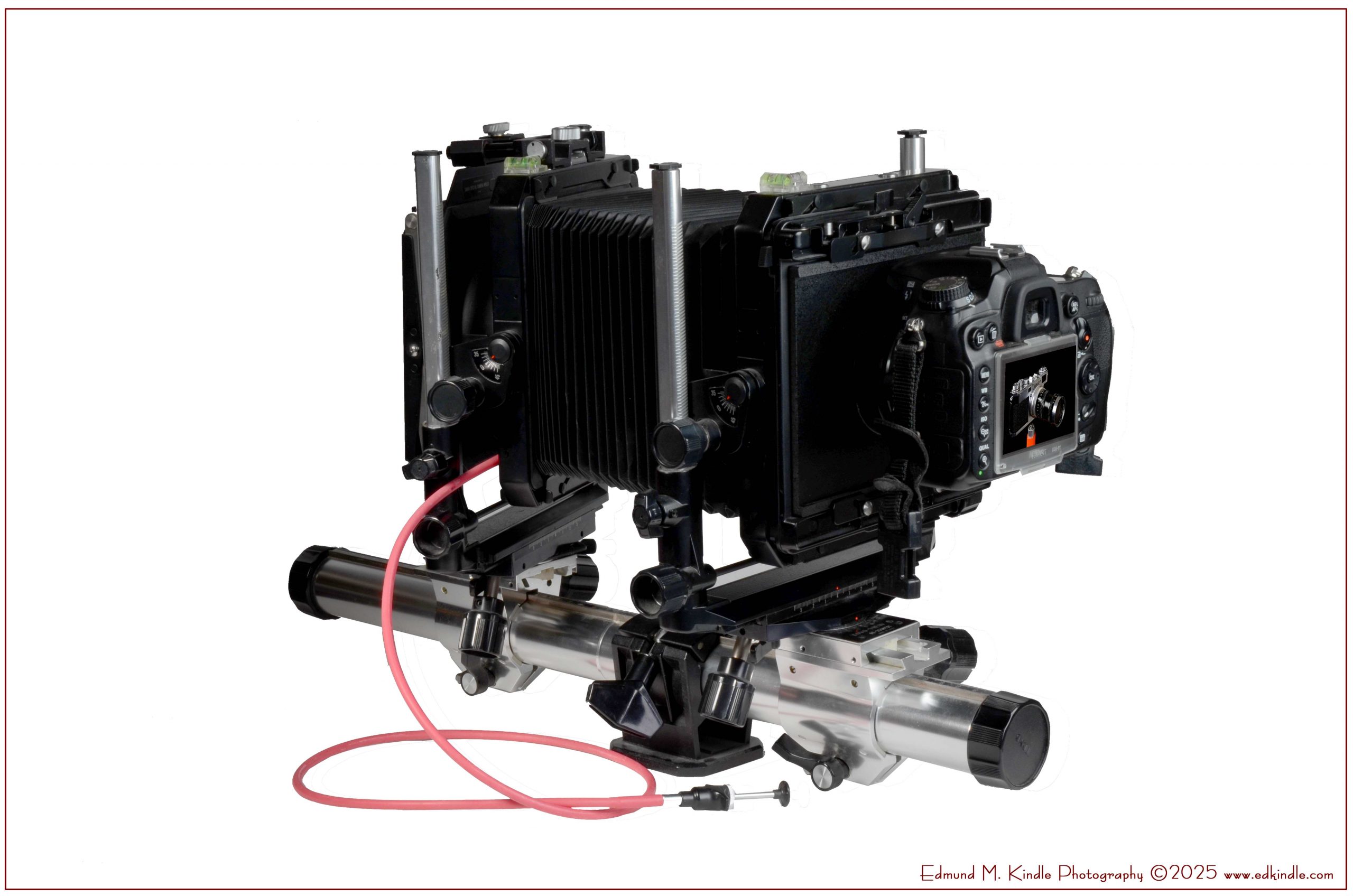
The heatwave of summer in Florida has passed and I am hearing reports of colder weather and snow in my former state of residence, Pennsylvania. Winter is here and now that it is a bit cooler, I am hoping I will be able to get out and start shooting more.
I have been still working though, albeit in my home studio. The images are of course posted here on the site in various places. I have been revisiting older subjects and techniques and more importantly revitalizing older and long unused gear.
There have been several projects that have been on the back burner for a very long time. I hate to admit it, but a long time means over 20 years. It’s a bit embarrassing to admit to myself that I have had ideas, projects and equipment waiting this long, but it’s the truth and there is no way around that.
The first of these projects that has been fermenting was microphotography with my vintage circa 1971 Nikon microscope. One of the issues was I wasn’t ever quite able to find the right parts and pieces of equipment to make the project viable. Over the years I have picked up parts here and there online to mate the microscope to the camera but something’s always just missed the mark as far as compatibility goes. I have finally managed to assemble a working digital system. Although I am still looking to find equipment to refine the workings, I am able to produce results.
Those images appear under the “Microscope Madness” category.
The second of these projects was my 4 x 5 view camera. A view camera regardless of size utilizes film holders that only hold two sheets of film per holder, one on each side. It’s a laborious process to shoot images with a view camera and the amount of film one can carry on a location is limited to the number of film backs one has. The camera is also very unwieldy and heavy.
However, the advantages of shooting with a large format camera make is still viable. One, larger film equals better quality. Second, the view camera allows the photographer to use the tools on the camera to correct and adjust for various conditions. These controls include tilts and swings of the standards that hold the lens and film planes, which provide corrections and adjustments for a wide variety of situations that are beyond the scope of this column.
In addition, sheet film is quite expensive and requires professional development. You won’t find a corner drug store capable. Also, if the photographer’s skillset is lacking on a shooting day, poorly exposed images are the result and they then must be discarded and re-shot. This takes time, travel and money in addition to finding a lab close by that can develop the large film.
Digital is obviously the answer but digital backs for view cameras are prohibitively expensive. I could buy a nice used car for the cost of a preowned digital back for a medium format camera. (I can’t even imagine the cost of a large format back!) I have managed to cobble together the equipment needed to resurrect my 4 x 5 view camera from the storage closet, that being my digital single lens reflex camera or DSLR.
By locating and purchasing the proper camera back for the 4 x 5 that allows me to attach the back to the DLSR’s lens mount, I am able to use the DSLR in place of film. The advancement of the digital format is a good overall approximation of the quality that was desired and gained by using larger film back in the day.
This melding of past and present equipment also dramatically increases the speed of working and allows for the instant feedback that digital is known for. In the past, the way to find out and double check that your results would be desirable when using a view camera was to use a polaroid film back to take a photo and, in a few minutes, have a sample of the final image with the self-developing film.
There are many new images scattered in my galleries that have been created with the 4 x 5 and DSLR combo. Many are in fact macro images. The 4 x 5 has impressive magnification ratios because the “body” of the camera is in fact a bellows unit. There are some different techniques that are employed to make it all work together but that adds to the challenge.
The last project I am working towards in this vein, will make use of my medium format equipment with some accessories to enable me to shoot 35mm film through them instead of 120 or 220 film. The advantage is there are far more places that can still process 35mm film as medium format film requires a professional lab for the same reason that sheet film needs to be processed for large format cameras.
The other cool factor of using the medium format camera is the size. It will actually be 70mm film as it uses the width of two normal frames of film. (Think Cinemasope movies) The adapters will allow me to capture panorama images without the need to scan two images and stitch them together digitally. This makes the exposures more even and correct. I will then be able to scan the images and process them on my PC to add them to the galleries or to make custom prints from them.
All of this is a renascence of equipment that has been in storage for quite a while and also of some skills I thought I may let become degraded from lack of use. I have enjoyed the brain teasers of re-learning the techniques of using my view camera and look forward to the same on my medium format gear. It will also require me to reacquaint myself with film after a near twenty-year hiatus from using digital exclusively.
Stay tuned for more!